
This article may contain compensated links, please read our disclaimer for more information.
One of the worst things to find in your RV? Pests. Gnats are one of the most common of these pests, and they are annoying to say the least. Fortunately, getting rid of gnats in your RV is relatively easy.
Here’s what you need to know as you navigate the gnat extermination process.
What Are Gnats, and Why Are They in Your RV?
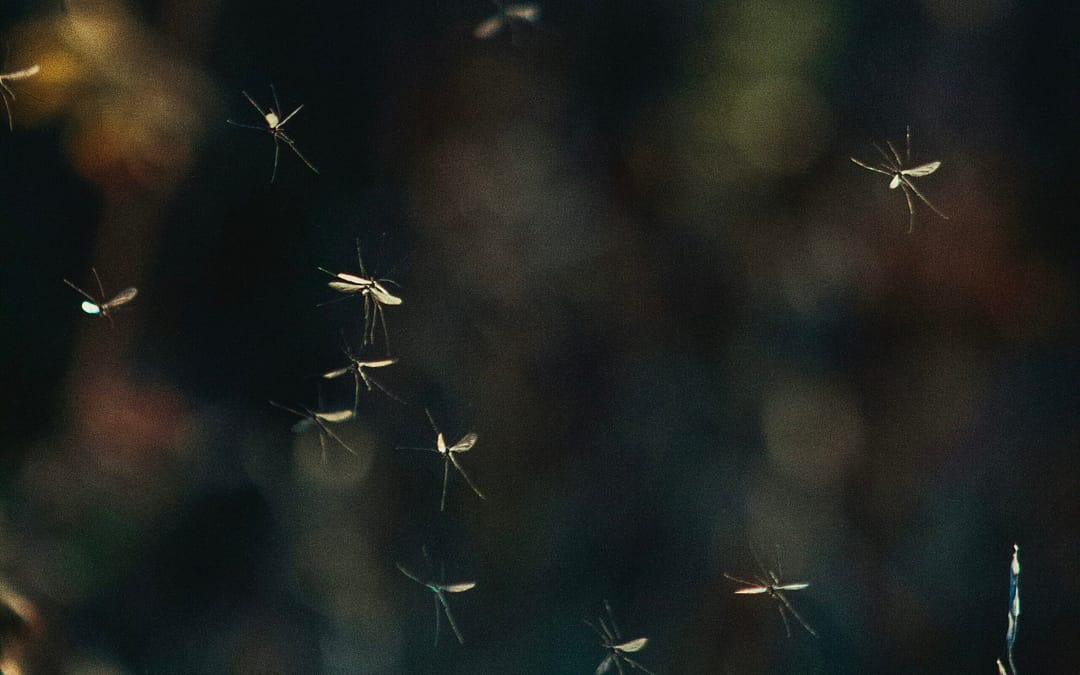
“Gnat” is actually a very general term that can refer to several kinds of small flying insects. In RVs, you might encounter any one of the following types of gnats:
- Fungus gnats — Attracted to moist soil or organic matter.
- Fruit flies — Drawn to overripe produce or food residue.
- Drain flies — Breed in drains or standing water.
- Phorid flies — Feed on decaying organic matter and can indicate plumbing or water leaks.
Knowing how to respond to your gnat problems requires that you understand which type of gnat you’re dealing with. After all, getting rid of moist soil probably isn’t going to do much to get rid of fruit flies. Still, getting rid of old food, garbage, and moisture will help no matter the species you’re dealing with.
Why Gnats Love RVs
Unfortunately, RVs offer the perfect conditions for gnats to thrive in. Food scraps can be found in trash cans and moisture can be found in bathrooms, around sinks, and even in wet laundry. Additionally, any drains that aren’t used regularly are likely to attract certain kinds of gnats.
On top of all that, because RVs are compact and enclosed, even a small gnat population can feel like an extreme infestation.
Step-by-Step Plan to Get Rid of Gnats in Your RV
Identify Gnat Hotspots
First, you’ll want to figure out where the bugs are hanging out. The best way to do this is by doing a visual inspection at night using a flashlight.
Make sure to check all of the following areas:
- Around the kitchen sink, bathroom drains, and toilet
- Near trash bins
- By fruit or open food
- Around window seals or A/C units
- Near damp bath towels or laundry
Knowing where they hang out helps you place traps and treatments effectively. Once you’ve figured this out, follow any of the steps below that make sense for your situation.
Eliminate Attractants and Breeding Grounds
From here on out, you’ll want to do everything you can to make your RV less attractive to gnats. You can pick and choose which steps to take based on where the gnats are congregating, or you can just follow all of the steps to be as thorough as possible.
Clean Thoroughly
- Wipe down all countertops, tables, and inside of cabinets.
- Pull out appliances and clean underneath and behind.
- Empty and clean the trash can.
- Mop and vacuum every floor surface—especially under furniture.
- Sanitize the kitchen sink and drains with a vinegar + baking soda flush.
Clean the Holding Tanks
- Flush the tank thoroughly at a dump station.
- Use a black tank treatment designed to break down waste and deodorize.
- If gnats persist, pour 1 cup of borax + ½ cup of vinegar into the bowl and let it sit for a few hours (don’t flush until later).
- Keep the toilet lid closed and the vent fan running after each use.
Manage Food Wisely
- Store fruits and vegetables in the fridge, not on the counter.
- Keep all dry food in sealed containers.
- Rinse dishes immediately after meals.
- Avoid leaving pet food out too long.
Dry Out Moist Areas
- Fix any leaky plumbing under sinks or in the bathroom.
- Use a small dehumidifier to reduce moisture, especially in humid environments.
- Open windows or use a fan after cooking or showering.
Rehome Potted Plants
- If fungus gnats are a problem, consider removing or repotting plants.
- Switch to a soil-free medium like LECA, or cover the topsoil with decorative rocks to prevent access to moist soil.
DIY Gnat Traps for Your RV
Cleaning up and getting rid of the gnats’ breeding ground is just the first step. You’ll also need to find a way to get rid of the adult gnats that are making themselves at home in your rig.
For this, I like to create my own gnat traps.
Homemade Apple Cider Vinegar Trap
- Fill a small bowl or jar with apple cider vinegar.
- Add a few drops of dish soap.
- Cover with plastic wrap and poke small holes.
This works because the vinegar attracts the gnats, and the dish soap breaks surface tension, causing them to sink and drown.
Commercial Gnat Killers and Treatments
The DIY trap above always works for me. That said, if you find they aren’t enough for you, you might need to turn to store-bought chemicals and treatments. Here are some options you may want to consider.
Sticky Traps
You can hang yellow sticky traps near windows, plants, or drains. These are cheap and effective, especially for catching fungus gnats.
Drain Treatments
Bio-cleaners like Bio-Clean or Green Gobbler use enzymes to break down organic buildup in your drains, and they work quite well.
As tempting as it might be, you will definitely want to avoid bleach using bleach. This is because bleach is harsh on your RV’s plumbing and usually isn’t very effective at killing larvae anyway.
Bug Sprays
You can use insect sprays labeled for indoor use, like those with pyrethrin or permethrin. That said, this is never my first choice, as these chemicals really aren’t great to have floating around in your home-on-wheels. If you do need to use bug sprays, ventilate well and keep pets out during application.
Plug-in UV Light Traps
I actually love UV light traps. These attract and zap or trap gnats and other small insects. They are ideal for nighttime use in RV kitchens or bathrooms.
Preventing Gnats from Returning
Once we finally get rid of gnats in our RV, I definitely want to do whatever I can to keep them away. Here’s what I’ve learned to do to keep the little buggers at bay.
Seal Entry Points
The first and most important thing you need to do? Find and seal all potential entry points. Remember that gnats are tiny and can fit into itty bitty spaces.
As such, you’ll need to repair torn window screens and door seals. It’s also a good idea to add mesh to any vents that the bugs might be able to slip into. Finally, make sure to keep doors shut as much as possible after dark.
Maintain Your Plumbing
Keeping up with your plumbing is also important. Keep sinks dry when not in use, and add RV-safe drain treatments monthly. It’s also a good idea to inspect your gray and black water systems regularly for leaks or buildup, and make sure to spray the tanks clean between uses.
Control Humidity
Humidity has always been a problem for us in our RVs. Unfortunately, humidity attracts certain kinds of bugs, including gnats. A compact dehumidifier or moisture absorber (like DampRid) will help keep the inside of your rig dry and gnat-unfriendly.
Routinely Empty and Clean Trash and Recycling
Keep in mind that even small food remnants can attract a full swarm of gnats (and other pests) if left overnight. Take out the trash every day and make sure to clean out your trash can and/or recycle bin regularly.
When to Call for Help
If you’ve done all the above and still see gnats flying around your RV, it may be time to call in a pro. You might need someone to look for rot or mold, which gnats might use as a breeding ground. You might also need to call in an exterminator to get rid of the gnats that are already living in your home-on-wheels.
As you can see, getting rid of gnats in your RV is totally possible, and making sure they don’t come back is also doable. Why not get started now so your RV is gnat-free sooner rather than later?
Join Fulltime Families
Fulltime Families Members get access to the best resources, community and discounts.
Fulltime Families is a participant in the Amazon Services LLC Associates Program, an affiliate advertising program designed to provide a means for sites to earn advertising fees by advertising and linking to amazon.com, amazon.co.uk, amazon.ca. Amazon and the Amazon logo are trademarks of Amazon.com, Inc. or its affiliates.